


What Do Lip Fillers Cost in Preston?
Lip filler prices in Preston generally range between £200 and £350 for a standard one millilitre treatment, which is significantly lower than London clinic pricing, where the same treatment often starts at £350 and can exceed £500.
At Bedeque Medical in Penwortham, lip filler starts from £260 for a full lip enhancement appointment.
This includes your consultation, the treatment itself, and aftercare advice. You are not paying a city-centre premium, but you are getting the same clinical standards.
If you find clinics in Preston advertising lip filler below £150, it is worth asking some questions before you book. We will come to that shortly.
Why Do Lip Filler Prices Vary So Much?
This is the question nobody seems to answer properly. Lip filler prices vary for several reasons, and most of them are directly related to your safety and the quality of your result.
- Practitioner qualifications: A medically trained injector with clinical experience charges more than someone who has completed a weekend course. That difference reflects years of anatomy training and the ability to manage complications if they arise.
- Product quality: Medical-grade hyaluronic acid fillers are not all the same. Reputable brands used in clinical settings cost significantly more wholesale than unbranded or counterfeit alternatives. Some clinics cut costs at this stage without telling patients.
- Consultation time: A thorough consultation takes time. If a clinic is rushing you through a fifteen-minute appointment, that time is not being spent understanding your anatomy, your goals, or whether lip filler is even right for you.
Clinic standards and emergency protocols: Legitimate medical aesthetic clinics hold appropriate insurance, maintain clinical standards, and keep hyaluronidase on site to dissolve filler in the event of a complication. Not all practitioners offering cheap lip fillers in Preston can say the same.
0.5ml vs 1ml Lip Fillers – How Much Do You Actually Need?
This is one of the most common questions at a lip filler consultation, and the honest answer is: it depends on your lips and what you want to achieve.
0.5ml is a good starting point for first-time patients who want a subtle change, a small amount of definition, or simply better hydration. You will notice a difference, but it will be understated. For many patients, this is exactly the right amount.
1ml gives a more noticeable result. It is appropriate for patients who want visible volume, more defined shape, or who have naturally thin lips and want a proportionate enhancement. For mature lips that have lost volume over time, 1ml is often the more suitable choice.
What I would never recommend is deciding how much filler to book before your consultation.
The right amount of product depends on your individual lip anatomy, the result you are aiming for, and what will actually look good on your face. Any practitioner who does not have this conversation before treating you is not putting your result first.
Why Cheap Lip Fillers Can Cost More in the Long Run
There is a reason people search this question so often. Many have had bad experiences with low-cost lip filler. They are looking for an explanation.
The risks associated with very low-cost lip filler include:
- Filler migration: Poor injection technique causes product to spread beyond the lip border, creating a blurred or unnatural look that requires dissolving to correct.
- Counterfeit products: Genuine medical-grade filler from reputable suppliers is not cheap to purchase. If a clinic is charging £99 for lip filler, something in that chain is being compromised.
- Overcorrection: Inexperienced injectors sometimes use too much product, leaving patients with an overfilled result they did not want and a costly correction to manage.
- No dissolving capability: If something goes wrong, you need access to hyaluronidase to reverse the filler. Not all cheap clinics keep this on site or have the clinical training to use it safely.
The cost of correcting poor lip filler, whether through dissolving and restarting or through ongoing treatment, regularly exceeds the original saving. This is not an argument for spending more than you need to. It is an argument for choosing a practitioner based on their qualifications and their approach, not just the price on their website.
Natural Lip Fillers: What the Industry Has Shifted Towards
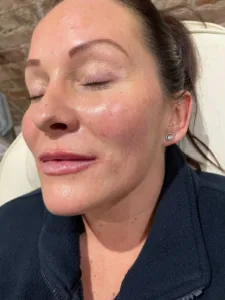
If you have been looking at lip filler results online, you have probably noticed a shift. The heavily overfilled, social-media-inspired look of several years ago is increasingly being replaced by a preference for subtle, proportionate enhancement.
Natural lip filler in Preston means something specific: results that enhance what is already there rather than dramatically changing your appearance. A small increase in definition. Better hydration. A shape that suits your face. The goal is that people notice you look well, not that they notice you have had filler.
This is the approach at Bedeque Medical. Every lip filler appointment starts with a conversation about what you actually want and what will genuinely suit your features. Sometimes that means treating with less than you initially thought you wanted.
How Long Do Lip Fillers Last?
Lip fillers typically last between six and twelve months, depending on the product used, the amount injected, and individual factors such as your metabolism and lifestyle. Some patients metabolise filler more quickly than others.
It is important to understand that filler does not simply disappear after six months. It breaks down gradually. Most patients notice they want a top-up when their lips start returning to their pre-treatment appearance, which varies from person to person.
What to Look for in a Lip Filler Practitioner in Preston
Before booking any lip filler appointment in Preston, it is worth asking the following:
- What are your qualifications? A medically trained practitioner, such as a registered nurse, doctor, or dentist with aesthetic training, has the anatomy knowledge and clinical background to treat safely.
- Do you carry hyaluronidase? This enzyme dissolves hyaluronic acid filler and is essential in the event of a vascular complication. Any practitioner who cannot answer yes to this question should not be treating you.
- Can I see your consultation process? A serious practitioner conducts a proper medical history, discusses your goals, and recommends a treatment plan based on your anatomy. A consultation that lasts five minutes is not a consultation.
- Do you have before and after photos? Results are the clearest indicator of a practitioner’s approach and aesthetic eye. Look for natural, proportionate outcomes that reflect the style you are aiming for.
If a clinic cannot answer these questions clearly, the low price is not worth the risk.
Lip Filler at Bedeque Medical, Penwortham, Preston
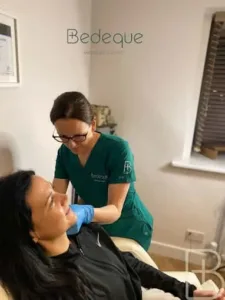
Lip filler at Bedeque Medical starts from £260 and includes a full consultation, the treatment appointment, and aftercare guidance. Siobhan Allen is a qualified aesthetic nurse based in Penwortham. Every patient begins with an honest conversation about what is achievable, what suits their face, and how much product is actually needed. Free consultations are available for new patients.


Leave A Comment